

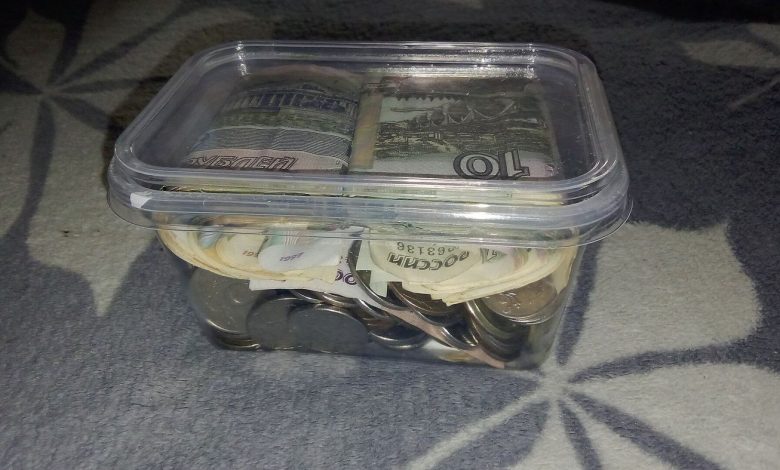
An emergency fund can feel like an impossible target when advisers mention several months of expenses, but breaking the goal into stages makes it far more approachable. The first stage might simply cover a single unexpected bill, such as a car repair or a broken appliance, without borrowing. Reaching that modest milestone already changes how a household handles surprises, turning a crisis into an inconvenience. From there, savers can build gradually towards one month of essential costs, then further, at a pace that fits their income. Each stage is a genuine achievement in its own right, and progress is easier to sustain when the next step feels close rather than distant. Naming the account for its purpose, rather than leaving the money in everyday spending, also helps protect it from being quietly absorbed by routine monthly expenses.
What the Evidence Shows
Keeping the fund in a separate, easily accessible savings account helps in two ways: the money is available quickly when it is genuinely needed, and it is less likely to be spent on everyday purchases. Many people automate a small transfer for payday, so saving happens before spending begins, and increase the amount slightly after a pay rise or when another expense ends. Financial counsellors also suggest reviewing the target whenever circumstances change, such as a new home, a child, or a change of job. The right size for a buffer is personal, but the principle is universal: a little set aside regularly provides options when life becomes unpredictable. When the fund is eventually used, rebuilding it becomes the next priority, again in stages, so the protection returns steadily rather than depending on one large effort. Reporting and analysis from sources such as International Monetary Fund track the same developments, and specialists following building an emergency fund in stages say the direction is now consistent across independent lines of evidence.
The Wider Context
The wider context is a financial system repricing risk after a long era of cheap money. Decisions shaped by building an emergency fund in stages are being made under closer supervisory attention, with stress tests and disclosure rules that assume conditions can worsen quickly. Institutions that planned for the benign case are adjusting in public, which is uncomfortable and healthy in equal measure.
What Happens Next
What happens next with building an emergency fund in stages will be visible first in the data that professionals watch weekly: flows, spreads and the terms on new deals. Participants who spoke for this article expect a period of adjustment rather than drama, with the biggest effects landing on those who assumed the old conditions were permanent. Planning, as ever, is the cheapest hedge. You can follow related developments in our coverage of finance.
There is a practical lesson in all of this for readers deciding what to do today. Start with the verified facts, be wary of anyone promising certainty, and prefer reversible steps while the evidence is still developing. Circumstances differ by country, income and personal situation, so general guidance should always be weighed against your own context before you act on it in any significant or lasting way.