

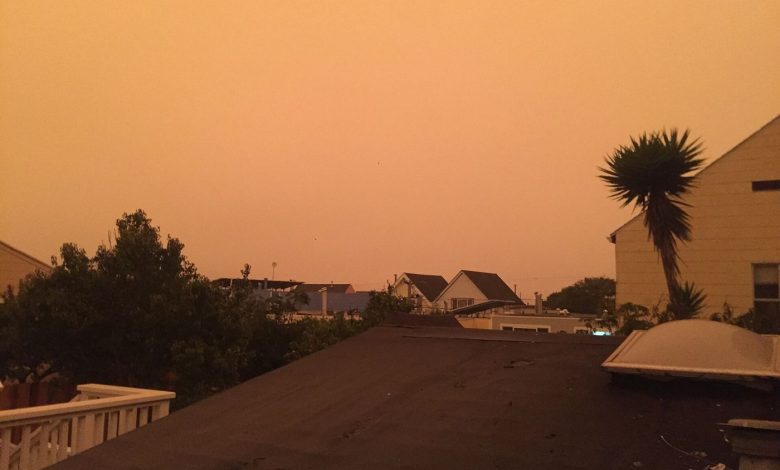
In the summer of 2023, wildfires in Canada burned about 15 million hectares of forest, more than double the previous record of 6.7 million hectares set in 1989, and by far the largest area since satellite records began in 1972. The fire season stretched across seven months, forced more than 200 communities to evacuate, destroyed hundreds of homes and produced carbon dioxide emissions about eight times the long-term average. The smoke was the most visible consequence: it turned the skies over New York orange in June 2023, giving the city its worst air quality on record, and drifted across the Atlantic to Europe. The fires also burned through the boreal forest, one of the world’s largest stores of carbon, raising fears that the forest could switch from absorbing carbon to releasing it. Millions of people far from any flame breathed air thick with fine particles, and hospitals reported a rise in asthma attacks and breathing problems.
What the Evidence Shows
The record season was enabled by record-setting climate conditions: an early snowmelt, exceptional heat and prolonged dryness across much of Canada’s forests. Scientists who studied the season found that human-driven climate change had made such extreme fire weather substantially more likely. The fires also exposed the limits of firefighting: crews and aircraft were stretched across a continent, and some fires burned for months despite the largest suppression effort in Canadian history. The health effects linger after the smoke clears, because the tiny particles in wildfire smoke penetrate deep into the lungs and have been linked to heart and lung disease. Canada has since faced further severe fire seasons, and fire managers are shifting towards prevention, including prescribed burning and managing forests to be less flammable, because a hotter climate means the record of 2023 is unlikely to stand for long. Reporting and analysis from sources such as NASA track the same developments, and specialists following Canada’s record wildfire season say the direction is now consistent across independent lines of evidence.
The Wider Context
Funding bodies are watching Canada’s record wildfire season closely because the work sits at the junction of basic curiosity and practical return. Grant panels increasingly ask for a path from discovery to application, while researchers push back that the most valuable uses of fundamental science are rarely the ones written into the original proposal. The tension is productive when both sides stay honest about timescales.
What Happens Next
The long view on Canada’s record wildfire season is that fields advance by accumulation rather than by single announcements. This result adds a solid, checkable piece to a structure many teams are building, and its authors have shared their data so the piece can be tested from every side. That is how the picture eventually becomes reliable enough to act on. You can follow related developments in our coverage of science.
It is also worth remembering how quickly the picture in this area has changed before. Positions that looked settled a few years ago have been revised as new data arrived, and the same humility is appropriate now. The strongest coverage of this subject, and the most useful advice, tends to come from sources that update their views openly when the facts move, rather than defending an earlier position long after it has stopped fitting the evidence available.