
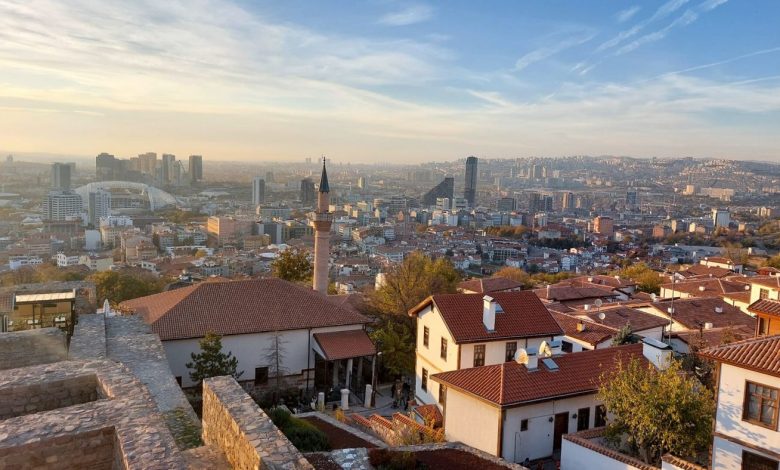
Leaders of NATO’s 32 member countries met in Ankara on 7 and 8 July 2026 for the alliance’s 36th summit, only the second time Turkiye has hosted the gathering after Istanbul in 2004. The summit took place in the fifth year of Russia’s full-scale invasion of Ukraine and against the backdrop of American pressure on European allies to spend more on defence. The leaders reaffirmed their commitment to collective defence under Article 5 and confirmed the target agreed at The Hague in 2025: spending 5 per cent of GDP on defence and security by 2035, with at least 3.5 per cent on core defence. They also pledged about 70 billion euros in military support for Ukraine in 2026, and at least the same level in 2027, alongside commitments to remove barriers to defence trade between allies.
What the Evidence Shows
The summit’s most visible issue was money. European allies and Canada increased core defence investment by more than 139 billion dollars in 2025, and the Ankara declaration announced more than 50 billion dollars in new procurements. For Turkiye, the summit was also a chance to press its own agenda: President Erdogan met President Trump on the opening day, and Trump said sanctions on Turkiye would be lifted and a decision on its return to the F-35 fighter programme would come shortly. Analysts described the outcome as a solid communique that kept the alliance together through a difficult year, though they noted that the real test is whether the spending pledges turn into factories, weapons and ready forces rather than remaining promises on paper. The summit also underlined how much has changed since 2022, with defence spending now treated as a permanent priority rather than a temporary response to crisis. Reporting and analysis from sources such as Reuters track the same developments, and specialists following NATO summit in Ankara say the direction is now consistent across independent lines of evidence.
The Wider Context
The wider context is a public conversation conducted at a speed institutions were not built for. Developments around NATO summit in Ankara are announced, contested and revised within a single news cycle, and the officials involved have learned to publish evidence alongside claims so that scrutiny can actually occur. Trust, the polling suggests, follows that transparency more than it follows confidence.
What Happens Next
What happens next in the story of NATO summit in Ankara will be decided in the places where it is being implemented, measured and argued about in public. The officials and organisations involved have committed to publishing progress data, and that commitment gives residents, businesses and journalists something firmer than promises to judge. The next milestones are dated, which means they can be checked. You can follow related developments in our coverage of news.
There is a practical lesson in all of this for readers deciding what to do today. Start with the verified facts, be wary of anyone promising certainty, and prefer reversible steps while the evidence is still developing. Circumstances differ by country, income and personal situation, so general guidance should always be weighed against your own context before you act on it in any significant or lasting way.