
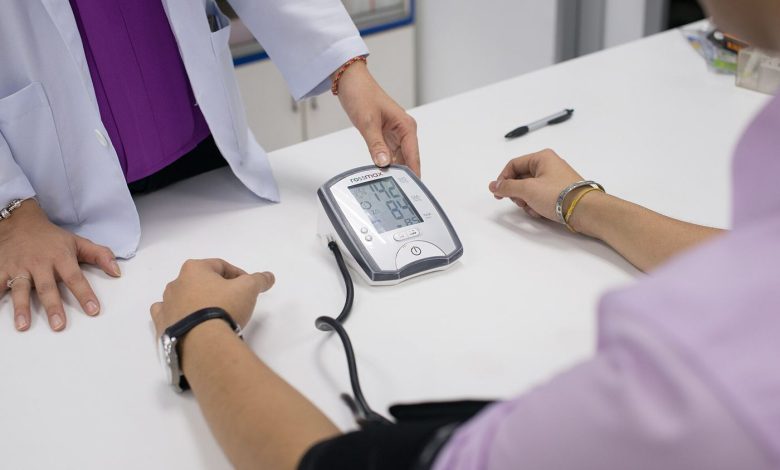
High street pharmacies are quietly taking on more of the everyday health work that once meant a trip to the doctor, from blood pressure checks and flu jabs to advice on minor illnesses and help stopping smoking. Pharmacists say they are the most accessible health professionals on the high street, open long hours, with no appointment needed, and that many people find it easier to walk in and ask than to wait days for a GP slot. Patients say the service is quick and practical, with the pharmacist able to spot warning signs, such as high blood pressure, and send the person to their doctor before it becomes a crisis. Health officials say the shift eases pressure on GP surgeries, freeing doctors for patients who need them most, and brings care closer to home, especially for people in towns where the surgery is hard to reach.
What the Evidence Shows
Health experts say pharmacies could do still more, with private consultation rooms now common and pharmacists trained to prescribe some medicines themselves. They suggest that more people should think of the pharmacy first for coughs, rashes, aches and questions about their medicines, rather than waiting for a GP appointment. Some pharmacies now run clinics for asthma checks, diabetes advice and weight management, with results shared with the patient’s doctor. Pharmacists add that they need fair funding to keep the service going, since many small pharmacies struggle with rising costs and the price of medicines. For patients, the change is welcome, turning the chemist from a place that hands over prescriptions into a first stop for everyday health. The hope is that a quick chat over the counter catches problems early, when they are easiest to treat. Reporting and analysis from sources such as Associated Press track the same developments, and specialists following the growing role of high street pharmacies say the direction is now consistent across independent lines of evidence.
The Wider Context
Regional and local reporting on the growing role of high street pharmacies often tells a different story from national coverage, because the effects land unevenly: one town’s pilot is another’s distant proposal. Analysts who follow the subject full-time read the local data first, arguing that national averages conceal the variation that decides whether a policy or a project deserves to spread.
What Happens Next
The longer story of the growing role of high street pharmacies is still being written by the people closest to it, whose experience rarely matches the earliest predictions of either supporters or critics. Reporting will continue to follow the evidence as it accumulates, including where it complicates today’s account. That is the deal serious coverage makes with its readers, and it holds for this subject as for any other. You can follow related developments in our coverage of news.
It is also worth remembering how quickly the picture in this area has changed before. Positions that looked settled a few years ago have been revised as new data arrived, and the same humility is appropriate now. The strongest coverage of this subject, and the most useful advice, tends to come from sources that update their views openly when the facts move, rather than defending an earlier position long after it has stopped fitting the evidence available.