

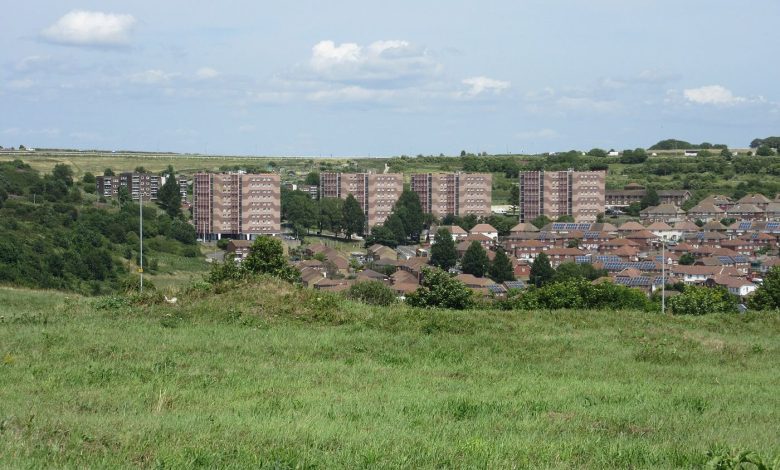
Waiting lists for affordable homes are growing longer in cities across the country, with families now waiting years for a property that matches their needs. Housing officers say the lists have swelled as rents in the private sector have risen faster than wages, pushing more households to seek help from councils and housing associations. The people waiting include key workers, single parents and older residents hoping to move closer to family, many of whom have been on a list for so long that their circumstances have changed several times. Councils say they are doing what they can, allocating homes as they become free and building new ones where land and funding allow. Yet the number of homes becoming available each year is far smaller than the number of people joining the queue, and the gap between demand and supply keeps widening. Charities working with homeless families say the wait is often the hardest part, leaving people in limbo for years.
What the Evidence Shows
Housing experts say the answer lies in building more homes of the right kind, in the right places, at prices that ordinary earners can afford. They argue that planning rules should favour affordable housing, that public land should be used for homes rather than sold to the highest bidder, and that funding for social housing should be steady rather than changing with each budget. Some councils are experimenting with faster approvals for affordable schemes and with converting empty buildings into flats. Critics of the current system say that too much new building is aimed at buyers rather than renters, and that waiting lists will keep growing until that balance changes. For the families waiting, the figures are not abstract: each month on the list is another month in overcrowded or expensive temporary homes. Reporting and analysis from sources such as Reuters track the same developments, and specialists following the growing housing waiting lists say the direction is now consistent across independent lines of evidence.
The Wider Context
The wider context is a public conversation conducted at a speed institutions were not built for. Developments around the growing housing waiting lists are announced, contested and revised within a single news cycle, and the officials involved have learned to publish evidence alongside claims so that scrutiny can actually occur. Trust, the polling suggests, follows that transparency more than it follows confidence.
What Happens Next
What happens next in the story of the growing housing waiting lists will be decided in the places where it is being implemented, measured and argued about in public. The officials and organisations involved have committed to publishing progress data, and that commitment gives residents, businesses and journalists something firmer than promises to judge. The next milestones are dated, which means they can be checked. You can follow related developments in our coverage of news.
There is a practical lesson in all of this for readers deciding what to do today. Start with the verified facts, be wary of anyone promising certainty, and prefer reversible steps while the evidence is still developing. Circumstances differ by country, income and personal situation, so general guidance should always be weighed against your own context before you act on it in any significant or lasting way.